Cut lists and edges: from drawing to checkable numbers
The cut list is where a drawing becomes a set of numbers someone can check. These guides show how to read one line by line, how to label parts so the drawing and the list agree, why length comes first and follows the grain, and how to place parts on a sheet on paper before anything is cut.
They also cover edge details: which edges show, how an edge band changes the finished size, and how square, rounded and chamfered edges look in an end view. The last guide is a review routine that catches arithmetic mistakes.
9 guides in this set
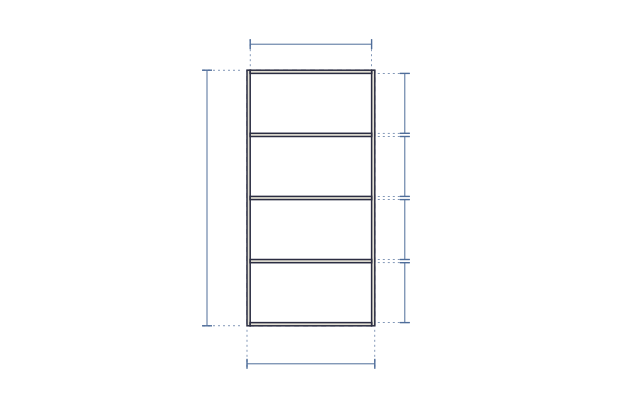
Reading a Cut List: What Each Column Tells You
A cut list names every part of a piece with a quantity, size and material. Learn what each column means and how to check it against the drawing.
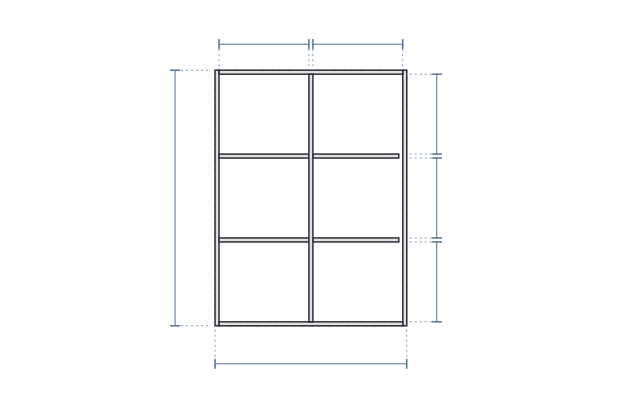
Labeling Parts: Letters That Link Drawing and List
Give each group of identical parts one letter, mark mirrored pairs and small parts, and the drawing and the cut list will always agree.
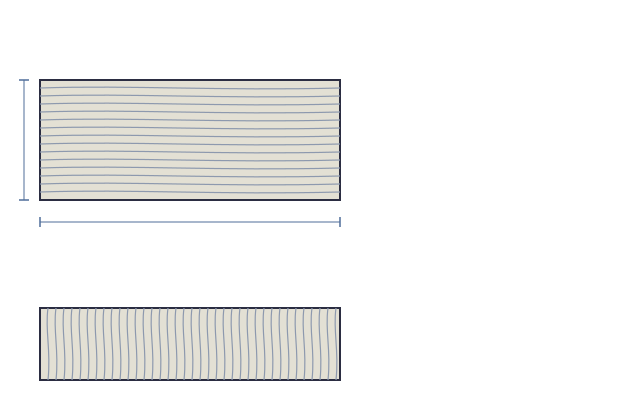
Grain Direction: Why the First Number Is the Length
On a cut list the first number is the length along the grain. Learn how grain arrows, plywood faces and matching parts shape the drawing.
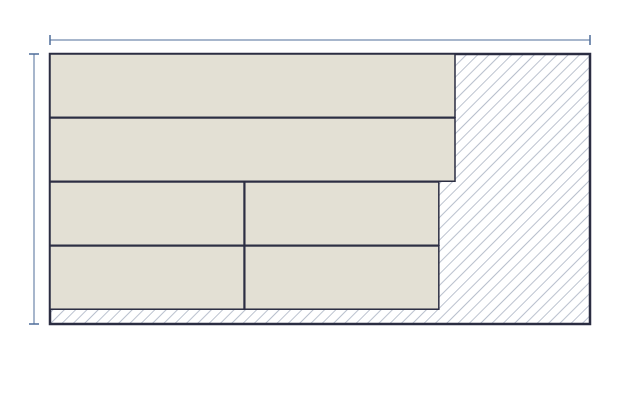
Laying Out Cut List Parts on a 48 in by 96 in Sheet
Sort your cut list, place parts in rows on a 48 in by 96 in sheet, track the leftovers and draw the plan on grid paper before anything is cut.
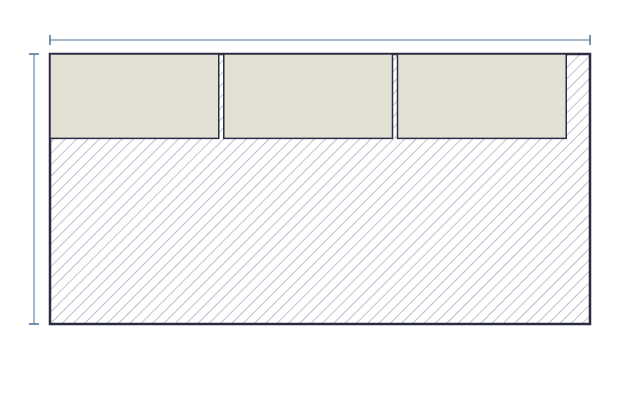
Kerf and Trim: Small Gaps That Decide What Fits
Kerf is the thin strip a blade removes. Learn how to add kerf and edge trim to a sheet layout so three parts across 48 in really do fit.
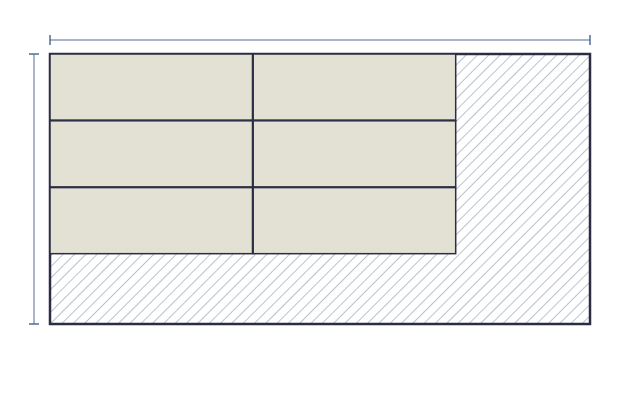
Nudging a Design's Dimensions So Parts Divide the Sheet
Divide a 48 in by 96 in sheet by part size plus allowance, round a depth in small safe steps, and put the result on your drawing and cut list.
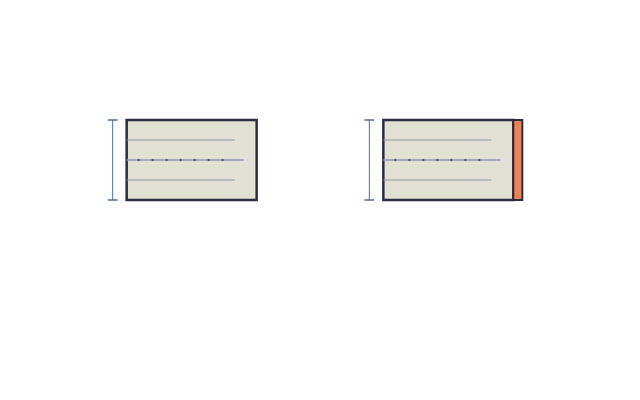
Marking Which Part Edges Get a Strip on Your Drawing
How to mark which edges of each part get an edge strip, write a clear edge note on the cut list, and keep finished and cut sizes straight.
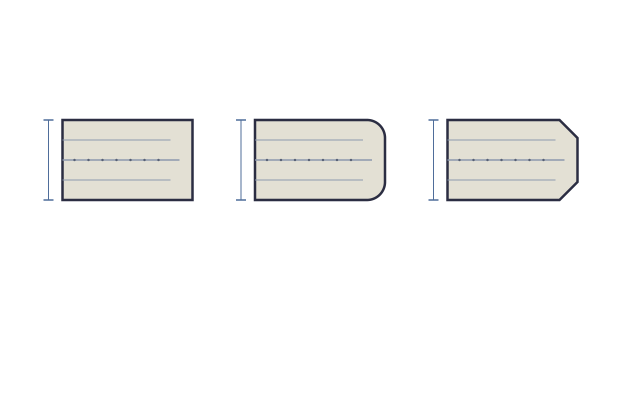
Square, Eased or Chamfered: Drawing the Edge of a Board
Learn the three common edge shapes, how each looks in a section view, how to write a size for it, and where each shape suits a piece.
A Last Paper Check Before You Trust Your Cut List
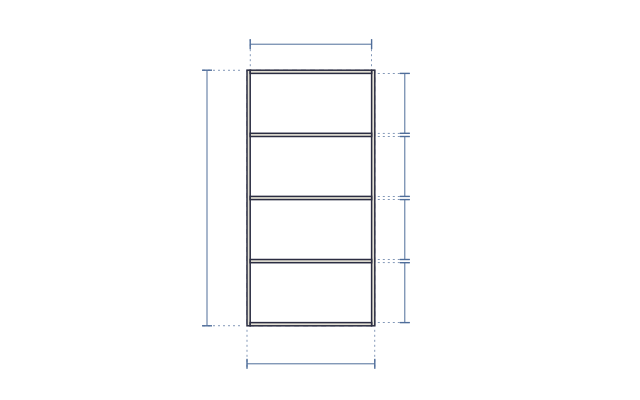
A paper routine to check a cut list against the drawing: sizes, counts, thickness, grain, edges, sheet fit and units, with a worked bookcase.
Want to try the numbers? Open the builder and draw the piece.